Buyers should verify five things before selecting a Chinese plant extraction ingredient: the exact botanical identity and extract composition, the intended cosmetic function, compatibility with the target formula, the quality and safety documentation supplied for each lot, and the level of evidence behind any proposed claim. A familiar plant name alone is not a usable specification. The same plant can produce materially different cosmetic ingredients when the species, plant part, extraction medium, concentration, carrier, preservation system or processing route changes.
This distinction matters to cosmetic brands, OEM/ODM teams and formulators because ingredient selection connects several decisions that are often handled by different departments. R&D needs a material that can be incorporated without destabilising the base. Regulatory teams need an identity and document package that can be assessed for the destination market. Procurement needs a reproducible specification and a way to compare suppliers. Marketing needs to understand what the available evidence can—and cannot—support. A good shortlist therefore begins with a technical definition, not with a broad botanical story.
Start with the extract, not just the plant name
“Plant extract” can describe many different materials. The botanical source should be recorded by scientific name where available, together with the plant part used. Root, leaf, flower, fruit and seed extracts from the same species are not interchangeable. Their chemical profiles, colour, odour and behaviour in a formulation can differ, and a supplier’s evidence for one part should not automatically be transferred to another.
The extraction and delivery system are equally important. Buyers should ask whether the commercial ingredient is an aqueous solution, oil-soluble material, powder, hydroglycolic extract, fermented derivative or another format. They should also identify the extraction solvent or process, the carrier system, preservatives, antioxidants and any other components present in the supplied blend. This information affects INCI declaration, formulation space, processing order, compatibility testing and the finished product’s sensory profile.
For a concentrated or standardised extract, “concentration” needs a defined basis. It may refer to extract solids, a plant-to-extract relationship, a named marker compound or the percentage of a commercial blend used in a formula. Those values answer different questions. A buyer should not compare two numbers until both suppliers explain what is being measured, how it is tested and whether the result is part of the release specification.
Match the ingredient category to the cosmetic objective
The next decision is not whether the botanical sounds attractive; it is whether the ingredient format and evidence fit the intended product. LANDIVINE’s Chinese plant extraction ingredient range is organised across application directions such as anti-ageing, moisturising, repair, scalp care, acne care, brightening and sun-protection enhancement. These categories can help a buyer build a shortlist, but the category label is only the start of technical review.
A facial serum, rinse-off cleanser, scalp treatment and high-oil cream expose an ingredient to different formulation conditions. Leave-on products may require closer attention to skin exposure and sensory residue. Rinse-off systems add surfactant compatibility and shorter contact time. Scalp formulas can introduce alcohols, cooling agents, cationic polymers or anti-dandruff actives. Anhydrous or oil-rich products may exclude a water-based extract unless an appropriate delivery route is developed. The buyer should therefore define the actual dosage form and base architecture before requesting a recommendation.
The desired claim direction must also be stated carefully. “Soothing,” “moisturising,” “oil control” and “anti-ageing” are not interchangeable endpoints. Each can be evaluated through different biological markers, instrumental measurements, sensory observations or consumer studies. If the project has a claim objective, ask the supplier which endpoint was studied, on what material, at what concentration and under what conditions. This avoids choosing an ingredient because one impressive result appears relevant when it actually measures a different mechanism or use condition.
Translate formulation conditions into selection criteria
Botanical extracts can carry colour, odour, electrolytes, organic acids, sugars, proteins or suspended matter. These characteristics may be acceptable—or even desirable—in one formula and problematic in another. A clear brief should therefore include the formula’s continuous phase, emulsifier or surfactant system, target pH, processing temperature, addition stage, packaging type and intended shelf-life testing plan.
Solubility is a first-pass filter, but it is not the end of compatibility work. A material that disperses in water may still alter viscosity, clarity or preservative performance. An oil-soluble extract may change oxidation risk, colour or fragrance perception. A low-pH extract can shift the final pH or interact with neutralised thickeners. Heat can alter colour or volatile components, while light and oxygen can affect sensitive botanical fractions. These interactions need to be tested in the buyer’s actual base rather than inferred from a generic sample.
Recommended use level and processing instructions should be treated as starting conditions for laboratory work, not as a universal finished formula. The supplier should state the basis of its recommendation and any known boundaries. The formulator should then run a controlled series that includes a blank, one or more candidate levels and the intended packaging. Appearance, odour, pH, viscosity and phase behaviour should be monitored under the project’s stability protocol. Preservative efficacy and safety assessment remain finished-product responsibilities.
| Selection field | Why it changes the decision | Evidence to request |
| Botanical identity | Species and plant part determine which material is actually being purchased. | Scientific name, plant part, origin statement where relevant, and commercial ingredient composition. |
| Extract and carrier format | Water, oil, powder and mixed-solvent systems require different formulation routes. | INCI composition, solvent or process description, carrier, preservative and physical form. |
| Quality specification | Without release limits, two lots or two suppliers cannot be compared consistently. | Specification, test methods, certificate of analysis fields and sample lot data. |
| Formula compatibility | pH, heat, electrolytes, colour and odour can affect stability or sensory performance. | Technical data, recommended addition process and compatibility observations for relevant formats. |
| Efficacy support | Mechanistic, in vitro, instrumental and clinical evidence support different levels of interpretation. | Study material, test design, concentration, endpoint, comparator and statistical context. |
| Safety and market review | Ingredient naming does not by itself establish permitted use or finished-product safety. | SDS, safety data available to the supplier, regulatory status statement and destination-market review inputs. |
Read efficacy evidence at the right level
Botanical ingredient evidence often combines several layers. Chemical analysis can show the presence or level of selected constituents. In vitro or ex vivo work can explore a mechanism. Instrumental testing can measure a change in a defined skin parameter. Human use studies can observe outcomes under a particular protocol. None of these automatically proves that every finished product containing the ingredient will deliver the same result.
Ask whether the tested material is identical to the commercial ingredient or only related to its plant source. Confirm the tested concentration, vehicle, duration, participant group or biological model, control and endpoint. If a result is presented as a percentage improvement, the baseline, comparator and sample size are necessary to interpret it. The closer the test material and conditions are to the buyer’s proposed formula and use pattern, the more directly useful the evidence becomes.
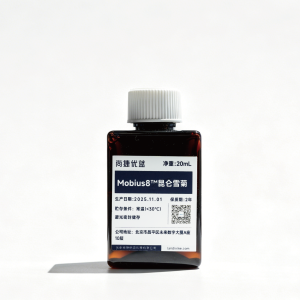
A representative product can make this review concrete. Mobius8™ Coreopsis Tinctoria is listed by LANDIVINE as a water-solution botanical cosmetic ingredient for anti-ageing product formats including serums, creams, ampoules and masks. A buyer considering that product should still request the current composition, specification, recommended handling, study package and applicable regulatory documentation for the intended market. The product page is a discovery point; project approval depends on the documents and sample performance associated with the offered material.
This evidence discipline protects both sides of the transaction. It prevents procurement from demanding an unsupported guarantee and prevents a supplier from allowing ingredient-level data to be read as a finished-product promise. It also gives the formulation and claims teams a common record of which statements are supported, which require further testing and which should be excluded.
Separate naming frameworks from regulatory approval
Common ingredient names and databases are useful reference tools, but their scope must be understood. For example, the European Commission’s CosIng database provides information about cosmetic substances, ingredient names and regulatory references; the Commission also states that a listing does not by itself mean an ingredient is approved for use. The binding assessment depends on the applicable cosmetics regulation, its annexes, the actual composition and the conditions of use.
Likewise, ISO 16128 provides definitions and criteria used to describe natural and organic cosmetic ingredients and to calculate related indexes. It is not a substitute for toxicological review, product safety assessment, legal compliance or efficacy substantiation. If natural-origin positioning matters to a project, the buyer should specify which calculation or customer standard will be used and ask the supplier for the composition information needed for that calculation.
Destination market, product type and intended claims must therefore be part of the brief. A botanical ingredient may require different documentation or review in the EU, United States, China or another market. A supplier can provide ingredient information, but the responsible company placing the finished cosmetic on the market must evaluate the complete formula, exposure, labelling and claims under the applicable rules.
Build a lot-level quality and traceability package
Botanical materials naturally vary. Geography, harvest conditions, post-harvest handling and extraction can influence the commercial ingredient. The procurement response should not be to expect zero variation; it should be to define which attributes must remain within limits and how those attributes are controlled.
The specification may include appearance, colour, odour, pH, density, solids or a relevant marker, together with microbiological limits and contaminant controls appropriate to the material and project. Pesticide residues, heavy metals, residual solvents or other contaminants may need attention depending on plant source, process and destination market. Not every test belongs in every specification, but any omitted field should be a conscious risk-based decision rather than an assumption.
Buyers should compare the master specification with the certificate of analysis that will accompany production lots. If the marketing dossier discusses a marker or activity but the release certificate does not control it, ask how batch consistency is demonstrated. Also confirm batch coding, shelf life or retest period, storage conditions, packaging configuration and the change-notification process. These fields affect warehouse handling, production planning and the ability to investigate a deviation later.
Use samples to answer project-specific questions
A sample should have a defined purpose. The first round may screen colour, odour, solubility and gross compatibility. The next round can optimise use level and processing. A later pilot can test the selected formula in intended packaging. Mixing every question into one sample trial makes a failure difficult to diagnose.
Record the sample code and lot, actual addition level, temperature, shear, addition point and final pH. Include a control without the extract. If two ingredients are being compared, keep the base and process constant. Observations should be recorded at defined intervals rather than described only as “stable.” If the ingredient changes the formula, the team can then determine whether the cause is concentration, carrier, pH, preservation, oxidation or another interaction.
Sample acceptance should not be confused with production approval. Before purchase release, reconcile the sample with the offered product code, final specification, document revision and commercial packaging. Ask whether the production material will be supplied to the same specification and whether any composition or process changes require notification.
What a useful botanical ingredient RFQ should contain
For a comparable technical response, provide the target product type, leave-on or rinse-off use, intended market, base system, target pH, maximum processing temperature, preferred ingredient form, claim direction, restricted ingredients, expected tests, document requirements, sample quantity and forecast purchase scale. Where confidentiality permits, a simplified base composition can help identify likely incompatibilities.
Ask the supplier to return the offered product code and composition, recommended use and addition method, specification and certificate fields, available evidence, sample identity, storage and packaging information, plus any declared limitations or deviations from the brief. Price and lead time become meaningful only after this technical scope is aligned.
LANDIVINE can review a brief against its botanical ingredient portfolio. Submit the formula conditions, application direction, target market and requested documentation through the botanical ingredient project inquiry form. The resulting discussion should confirm the proposed material, evidence boundary and sample plan before the team compares commercial terms.