For aroma chemicals and the flavor and fragrance industry wholesale inquiries, buyers should first define whether they are sourcing an individual aroma chemical, fragrance compound, perfume oil, flavor material, or cosmetic fragrance direction. Then they should specify the application, target olfactive profile, end-product base, dosage range, destination market, IFRA category or internal safety route where applicable, allergen and restricted-substance documentation, sample size, order quantity, packaging, storage, and quotation scope. For LANDIVINE®PEONY, the purchasing question is not only “what is the price?” It is whether the peony-style fragrance material fits the buyer’s solid perfume, hand cream or personal-care formulation with the right evidence and sample evaluation method.
Clarify the Buying Object: Aroma Chemical, Fragrance Compound or Finished Scent Direction
The phrase “aroma chemicals wholesale” can be imprecise. A buyer may be looking for a single named aroma molecule, a natural complex substance, a compounded fragrance oil, a neutral scent direction, or a formulation-ready fragrance used in a personal-care product. These are not the same purchasing object.
A single aroma chemical is usually evaluated by chemical identity, purity, odor profile, regulatory status, safety data and supply stability. A fragrance compound is evaluated by scent profile, application category, IFRA documentation, allergen disclosure, stability in base, sample performance and creative fit. A finished scented product concept adds another layer: formula base, packaging, claims and consumer positioning.
LANDIVINE®PEONY is positioned in the Fragrance And Flavor product family and the product record links it to solid perfume and hand cream applications. That makes it more practical to discuss as a cosmetic fragrance raw material or fragrance direction for personal-care formulation, unless the supplier separately confirms a different flavor-grade or food-use route.
Buyers reviewing the broader portfolio can start from LANDIVINE’s Fragrance And Flavor category, but the RFQ must still state exactly what material or fragrance form is being purchased.
Application Defines the Safety and Performance Questions
A fragrance material does not behave the same way in every finished product. Solid perfume, hand cream, shampoo, body wash, reed diffuser, fine fragrance and home-care products can use different bases, temperatures, surfactants, solvents, packaging materials and user-contact conditions.
The application determines which questions the supplier must answer. A leave-on hand cream may require a different IFRA category review from a rinse-off cleanser. A wax-based solid perfume may require solubility and odor-release review in oils, waxes and butters. A water-rich base may require different compatibility and stability evaluation.
The RFQ should identify:
- finished product type;
- leave-on, rinse-off, air-care or other use route;
- intended application area;
- base formula type;
- target fragrance dosage or evaluation range;
- processing temperature if fragrance is added during heating or cooling;
- destination market and customer documentation needs.
This prevents a fragrance supplier from providing a sample that smells attractive on a blotter but fails in the buyer’s actual base or cannot be documented for the intended application.
Olfactive Profile Should Be Specific Enough for Sampling
Fragrance selection becomes inefficient when the buyer asks for a general scent family without describing the desired profile. “Peony,” “floral,” “clean” or “luxury” can mean very different directions to different fragrance houses.
LANDIVINE®PEONY is described as a floral-fruity direction with a delicate rose-petal impression and soft musky warmth, and its public product information identifies note elements including redcurrant and morning dew at the top, rose and peony in the middle, and raspberry and sweet musk in the base. These details are useful for sampling, but they should be converted into the buyer’s own acceptance language.
The RFQ should state:
- target fragrance family and secondary nuance;
- preferred opening, middle and dry-down impression;
- benchmark scent or market reference;
- notes to avoid;
- desired strength in the final base;
- whether the scent should feel natural, fresh, powdery, fruity, green, musky or clean;
- how samples will be evaluated.
Without this information, suppliers may send samples that all fit “peony” but differ too much for meaningful comparison. A sample shortlist should be judged in the same base, at the same dosage and after the same maturation time.
Dosage Range and Base Compatibility Must Be Tested Together
Fragrance dosage is not only a sensory decision. Increasing dosage can affect irritation review, IFRA conformity, allergen disclosure, emulsion stability, color, viscosity, odor persistence and packaging compatibility. Reducing dosage may make the scent too weak or change the balance between top, middle and base impressions.
A useful RFQ should define the evaluation range rather than demand a single fixed number at the beginning. For example, the buyer can ask the supplier to recommend a starting range for the intended application and then test several levels in the actual formula base. The chosen dose should be supported by both scent evaluation and documentation review.
Base compatibility is especially important for products such as solid perfume and hand cream. In a solid perfume, the fragrance must disperse in the oil/wax structure without causing sweating, crystallization, discoloration or unacceptable texture changes. In a cream, the fragrance must remain compatible with the emulsion and not destabilize the system over time.
The supplier should not simply state “suitable for personal care.” The buyer should test the sample in the exact base or a representative prototype and record fragrance lot, dosage, processing temperature, aging time and observed changes.
Documentation Should Match the Destination Market and Product Category
Fragrance documentation is a core part of wholesale evaluation. Depending on the buyer’s application and market, the document package may include SDS, technical data, certificate of analysis where applicable, allergen statement, IFRA Certificate of Conformity or IFRA-related application guidance, ingredient disclosure level agreed for the project, restricted-substance statement, and storage or shelf-life information.
An IFRA Certificate of Conformity declares that a fragrance mixture complies with relevant IFRA Standards for specified product categories; IFRA itself makes clear that this certificate does not replace the finished-product safety assessment or local regulatory compliance review. Therefore, the buyer should verify the product category, maximum use level, date, amendment basis and exact fragrance identity rather than treating “IFRA available” as a universal approval.
For the European cosmetic market, fragrance-allergen disclosure and labeling obligations are category- and concentration-dependent under the cosmetics regulatory framework. Other destination markets may require different documentation or responsible-person review. The supplier should provide the documents the buyer needs, but the finished-product marketer remains responsible for final market compliance.
The RFQ should therefore ask not only for documents, but for the specific scope inside each document:
- which fragrance or material the document covers;
- which finished-product category it applies to;
- which maximum-use level or restriction applies;
- which allergens or restricted substances are declared;
- whether the document is current for the buyer’s target market review;
- which items remain the buyer’s responsibility.
Sample Evaluation Should Mirror the Final Product
Aroma evaluation on paper blotters is useful for first impression, but it cannot replace testing in the finished-product base. A fragrance may smell balanced on a blotter and become too weak, too sharp, too waxy or unstable in a balm or cream.
For LANDIVINE®PEONY or any comparable cosmetic fragrance raw material, buyers should request a sample plan that reflects the final application. That plan can include a small fragrance sample, recommended evaluation dosage range, test base, maturation time, sensory scoring method, and record of any stability or appearance changes.
A disciplined sample comparison should keep variables controlled:
| Sample Variable | Buyer Control Point | Why It Affects the Decision |
| Base formula | Use the same solid perfume or cream base for all candidates | Prevents base differences from being mistaken for fragrance quality |
| Dosage | Test comparable dosage levels and record final selection | Links scent strength to documentation and safety review |
| Processing | Record addition temperature, mixing stage and cooling condition | Fragrance loss or instability can be process-related |
| Maturation | Evaluate after a consistent aging period | Top notes and base notes may change after blending |
| Packaging | Check interaction with jar, tube, stick or compact materials | Packaging can affect odor, appearance or leakage risk |
| Documents | Review IFRA, allergen, SDS and restriction information before approval | A preferred scent must still fit the buyer’s compliance route |
This structure turns fragrance selection into a repeatable buyer decision rather than a subjective smelling session.
Quantity, Packaging and Storage Affect the Wholesale Quotation
Wholesale fragrance inquiries should separate sample evaluation from commercial supply. A 20g lab sample, a 1kg trial order, a distributor stock order and a production fragrance order are different commercial events. They may require different packaging, labeling, storage conditions, batch documentation and logistics planning.
The buyer should state the expected order stage and quantity range without assuming standard MOQ or lead time. LANDIVINE’s current profile does not verify standard MOQ, stock or delivery time, so these items should be requested from the supplier for the exact product and order size.
Packaging also matters. Fragrance materials may require sealed containers, light protection, headspace control, compatible packaging material and clear batch identification. If the buyer needs retail-facing labels, private-label packaging or distributor cartons, that should be separated from the raw-material quotation.
Storage and shelf-life information should be checked before the order is approved. The buyer should know how the material should be stored, what batch or lot identity will appear on the container, and what document will be supplied with each shipment.
How Should Buyers Review LANDIVINE®PEONY?
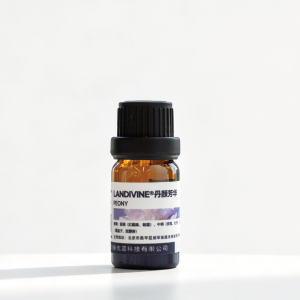
The LANDIVINE®PEONY product page is the target product reference for this wholesale aroma-material topic. The current product information places it under Fragrance And Flavor / Neutral Fragrance and links it to solid perfume and hand cream applications.
That page should be treated as a product-family and scent-direction reference. It does not automatically define the buyer’s permitted use level, finished-product category, destination-market label requirement, IFRA category, allergen disclosure route, packaging, order quantity or formula compatibility.
For a buyer developing a solid perfume, LANDIVINE®PEONY may be evaluated as a floral-fruity peony direction in the selected balm base. For a hand cream buyer, the same fragrance direction should be tested in the actual emulsion and reviewed against the brand’s application, dosage and documentation requirements. For another product category, the supplier should confirm whether the product is suitable and what evidence is needed.
What Makes Aroma Chemical and Fragrance Quotations Non-Comparable?
Quotations become unreliable when suppliers are not pricing the same material and document scope. Common gaps include:
- the buyer asks for aroma chemicals, but actually needs a compounded fragrance oil;
- the application category is missing, so IFRA or safety documentation cannot be checked correctly;
- the sample is smelled on blotter but never tested in the final base;
- dosage is not fixed, so scent performance and compliance review cannot be aligned;
- allergen and restricted-substance requirements are added after sample approval;
- one supplier includes SDS, IFRA and allergen documents while another quotes fragrance only;
- the buyer requests “flavor and fragrance” but does not distinguish cosmetic fragrance use from food flavor use;
- quantity, packaging and storage requirements are not stated;
- destination-market requirements are assumed rather than documented.
These gaps can make one offer look cheaper only because the supplier has excluded evidence, packaging or application review that another supplier included.
When Should This RFQ Path Change?
This RFQ path applies when the buyer is sourcing a cosmetic fragrance material or scent direction for personal-care use. It should change if the project is a food flavor, oral-care flavor with ingestion exposure, regulated therapeutic product, household fragrance, fine fragrance alcohol base or industrial odor-control material. Each route has different regulatory, safety and performance requirements.
The keyword includes both flavor and fragrance industry language, but LANDIVINE®PEONY should not be described as a food flavor unless supplier documentation confirms that intended use. If the buyer needs food flavor material, the RFQ should request flavor-grade identity, application, regulatory status and food-contact documentation separately.
The conclusion also changes when the destination market requires a specific responsible-person review, allergen disclosure, prohibited-substance screening or finished-product safety assessment. The supplier can provide raw-material documents; final product compliance remains a separate buyer responsibility.
Build the Final Aroma Chemicals Wholesale RFQ
A complete RFQ should include:
- buying object: single aroma chemical, fragrance oil, fragrance compound or finished scent direction;
- target product type and application area;
- cosmetic, personal-care, air-care, flavor or other use route;
- target olfactive profile and benchmark scent;
- notes to include and notes to avoid;
- base formula type, such as solid perfume or hand cream;
- evaluation dosage range and intended final dosage;
- processing temperature and addition stage if relevant;
- sample size and comparison method;
- destination market and required documentation;
- IFRA category or internal safety route where applicable;
- allergen, restricted-substance and SDS requirements;
- quantity stage: lab sample, pilot, production or distributor order;
- packaging, label and storage requirements;
- supplier deviations, exclusions and buyer inputs still required.
Ask the supplier to return the offer as Confirmed Material / Application Fit / Sample Plan / Documentation Scope / Packaging Scope / Deviation / Buyer Input Required. Once the application and evidence requirements are clear, buyers can submit the inquiry through LANDIVINE’s contact page with a fragrance raw-material RFQ that supports real comparison rather than a vague wholesale price request.