Cost cosmetic formulation development quotations depend on the formulation brief, target product format, application area, fragrance or active concept, benchmark requirements, sample rounds, stability expectations, packaging compatibility, documentation scope, quantity context and the level of customization required before launch. For a product reference such as LANDIVINE® Bamboo Zen Solid Perfume, buyers should not ask only for a formula price. They should define the sensory direction, use area, base texture, claims boundary, ingredient restrictions, sample approval method, package format and market documentation expectations. A comparable quotation is built from the same development scope, not from a generic “solid perfume formula” label.
Formulation Development Cost Starts With the Product Brief
The first cost variable is the clarity of the product brief. A formulation laboratory cannot price development accurately when the buyer gives only a product name, such as “solid perfume” or “fragrance balm.” The same format can become a simple fragrance carrier, a deodorizing personal-care concept, a premium sensory product, a private-label gift item or a line-extension formula linked to a larger body-care range.
A useful brief should define the intended consumer group, application area, product format, desired texture, fragrance direction, benchmark sample, target claims, ingredient restrictions, package type and launch market. Each of these items affects technical work. A waxy stick, a soft balm and a cream-like solid perfume may all sit inside the same commercial category, but they need different base systems, melting profiles, fragrance loading strategies and packaging compatibility reviews.
For B2B buyers, the biggest quotation risk is not that the supplier refuses the inquiry. It is that different suppliers price different briefs. One quotation may include only a basic prototype. Another may include several sample rounds, sensory adjustment, package compatibility and document preparation. They are not comparable until the development scope is aligned.
LANDIVINE organizes relevant projects under its Formula Development category. That category is useful for product discovery, but the buyer still needs to translate the intended product concept into a development-ready RFQ.
Product Format Changes the Development Route
Formula development cost is strongly affected by product format because format determines the technical route. A leave-on skin product, cleanser, sunscreen, spray, mask and solid perfume do not require the same development logic. Even within the same fragrance direction, a product designed for a solid perfume base behaves differently from a product designed for a hand cream or mist.
For solid perfume, the formulation team must consider the base texture, melting behavior, spreadability, fragrance release, residue feel, package compatibility and stability of the fragrance in the selected base. If the product must feel soft at skin temperature but remain stable during transport and shelf storage, the base system has to balance sensory performance with physical stability.
This is why a buyer should not treat “formula development” as one fixed service. The RFQ should state whether the supplier is expected to provide:
- a concept formula only;
- a lab prototype for internal evaluation;
- a formula adjusted to a benchmark sample;
- a formula designed around a specific package;
- a formula with ingredient-restriction screening;
- a formula supported by stability and compatibility evidence;
- a formula handoff package for production transfer.
The more the project moves from concept toward launch readiness, the more work must be included in the quotation. That is not necessarily a higher or lower value; it is a different development stage.
Sensory Direction and Fragrance Architecture Affect Sample Work
For a fragrance-led formula, sensory direction is not decoration. It determines how many sample iterations may be needed before the buyer approves the product. A vague request such as “fresh, premium and natural” gives the supplier too much room to interpret the brief. A better request defines the fragrance family, emotional direction, benchmark products, prohibited notes, target intensity and how the product should evolve during use.
LANDIVINE® Bamboo Zen Solid Perfume is positioned around a solid perfume concept with fragrance and deodorizing direction. That gives the buyer a product-family starting point, but it does not define the final private-label brief. The buyer still needs to state whether the fragrance should be light, green, woody, powdery, clean, intimate, long-lasting, low-allergen by internal policy, or aligned with a specific brand story.
Sensory changes can alter formulation work in several ways. Increasing fragrance intensity may change wax balance, oil phase, irritation review, package compatibility and allergen documentation. Changing the fragrance oil can also change color, odor stability, solubility and melting behavior. These are technical variables, not simply preference notes.
The RFQ should therefore include a controlled sample-evaluation plan: number of initial directions, number of adjustment rounds, evaluation base, panel method if used, approved benchmark, and decision deadline. Without that structure, the supplier may price a limited sample round while the buyer expects repeated creative revisions.
Application Area and Claims Boundary Must Be Defined Early
Cosmetic formulation development should always be tied to the intended application area. A product used on the face has different tolerance and claim considerations from a body product, hand-care product, lip-adjacent product, hair product or fragrance accessory. The product record for LANDIVINE® Bamboo Zen Solid Perfume identifies the application area as face, excluding mouth, lips and eyes. A buyer using the concept differently should ask for a fresh suitability review rather than assuming the same formula basis applies.
The claims boundary is equally important. “Fragrance,” “deodorizing,” “moisturizing,” “soothing,” “repair,” “antibacterial” and “therapeutic” language do not belong in the same regulatory or testing category. A supplier should not be asked to support claims that the formula evidence does not cover. The buyer should define whether the product is marketed mainly as a fragrance format, a personal-care sensory product or a cosmetic concept with additional benefit claims.
The quotation should identify which claims the supplier is being asked to support through formula design, documentation or testing. If the buyer intends to make finished-product claims, the evidence route should be defined separately from the formula concept. Ingredient rationale alone does not automatically prove the final marketed claim.
This protects both sides. The supplier avoids being asked to price unsupported claim development, and the buyer avoids receiving a formula that cannot support the intended commercial message.
Ingredient Restrictions Can Change Reformulation Work
Many brands enter a cosmetic formulation development project with ingredient restrictions. They may require vegan positioning, certain preservative exclusions, colorant restrictions, fragrance allergen management, regional compliance screening, retailer blacklists or internal clean-beauty rules. These restrictions can be legitimate, but they must be included before quotation.
Restrictions create technical trade-offs. Removing one ingredient can affect texture, preservation, fragrance stability, color, melting behavior or compatibility with packaging. For a solid perfume, ingredient changes can alter hardness, oil bleed, surface appearance and scent release. For a fragranced personal-care product, restrictions can also affect the supplier’s ability to use a preferred fragrance material or modifier.
The RFQ should separate legal requirements from brand preferences. Market compliance is mandatory for the destination market. Retailer or brand “free-from” requirements are project-specific. Both can affect development cost, but they should be reviewed differently.
If the buyer provides a prohibited-ingredient list late, the supplier may need to rework an otherwise approved prototype. That is one of the most common reasons early quotations fail to predict the actual project cost.
Packaging Compatibility Is Part of Formula Development
Packaging is not a final decoration step. For a solid perfume, the package can influence user experience and stability. The same formula may behave differently in a jar, pan, stick, compact or decorative gift package because application method, fill process, headspace, material contact and temperature exposure differ.
Buyers should provide intended package type, filling method, storage condition and any packaging material already selected. The formulation team can then evaluate whether the base texture, fragrance loading and product surface appearance are appropriate for that package.
Packaging compatibility can affect quotation scope in at least three ways. First, the supplier may need to adjust viscosity or hardness for filling and end-use. Second, the formula may require compatibility observation with the chosen packaging. Third, the product’s sensory impression can change depending on how the user touches, scoops or applies it.
A formula quotation that excludes packaging review should not be compared directly with a quotation that includes package compatibility screening. The buyer should decide whether packaging is part of the development scope before selecting a supplier.
Testing and Documentation Scope Should Be Matched to Project Stage
Not every formulation project needs the same testing package at the first quotation stage. Early concept development may need only a lab sample and internal feasibility notes. A launch-ready project may require stability study design, packaging compatibility, safety review, ingredient list support, regulatory documentation and production-transfer information.
The buyer should define which stage is being quoted:
| Development Stage | Buyer Input | Supplier Output to Compare |
| Concept screening | Product type, target sensory direction, benchmark and restrictions | Initial prototype direction and adjustment assumptions |
| Formula optimization | Approved direction, texture target, package and claim boundary | Adjusted formula, sample notes and unresolved technical risks |
| Pre-production review | Package, filling process, batch scale and market documentation needs | Stability/compatibility plan, ingredient information and transfer requirements |
| Launch support | Final formula, artwork claim plan and destination market | Document package and supplier deviation list |
This table does not assign fixed prices. It shows why a one-line “formula development cost” quote is usually incomplete. Development stage defines how much evidence and technical responsibility is included.
How Quantity Context Affects a Formulation Development Quote
Quantity affects the quotation only after the development route is clear. A buyer may need a few lab samples, a pilot batch, samples for distributor review, or a formula intended for future production transfer. Each quantity context changes sample packaging, material purchasing, lab time, stability planning and documentation expectations.
For private-label or OEM projects, the buyer should explain whether the inquiry is for formula development only, formula plus sample preparation, formula plus bulk production support, or a full product concept. If the supplier is expected to develop the formula and later support manufacturing transfer, that handoff should be included in the RFQ.
Do not treat MOQ, price or lead time as verified unless the supplier confirms them for the exact project. LANDIVINE’s public client profile does not verify standard MOQ, standard delivery time or stock status, so the article should keep those items as RFQ questions rather than claims.
A transparent quotation should therefore show which activities are development services and which belong to sampling, packaging, scale-up or production support.
How Should Buyers Review LANDIVINE® Bamboo Zen Solid Perfume?
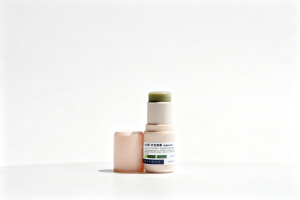
The LANDIVINE® Bamboo Zen Solid Perfume page is the target product reference for this formulation-development topic. The current product record places it under Formula Development / Oral Care / Fragrance, with a solid perfume direction and fragrance/deodorizing positioning.
Buyers should use the page as a formula-concept reference, not as a complete private-label specification. The product page does not automatically define the buyer’s packaging, fragrance-intensity target, market, claims, sample rounds, finished-product testing, artwork, bulk quantity or commercial scope.
A meaningful inquiry should connect the product concept with the buyer’s project. For example, a brand can ask whether Bamboo Zen is being evaluated as a starting formula, an inspiration sample, a fragrance direction, or a fully adjusted private-label concept. Each route leads to a different development responsibility.
What Makes Cosmetic Formulation Development Quotations Non-Comparable?
Different quotations become difficult to compare when the RFQ leaves important scope items undefined. Common gaps include:
- the product format is named, but the use area is missing;
- the buyer asks for a benchmark match without providing a benchmark sample;
- fragrance direction is subjective but no evaluation method is agreed;
- ingredient restrictions are added after prototype approval;
- packaging is not supplied until after the formula is developed;
- testing and documentation expectations are not linked to launch market;
- sample rounds are not limited or defined;
- production-transfer support is assumed but not quoted;
- the buyer compares a concept-only quote with a launch-support quote.
The remedy is not to ask for a lower number first. The buyer should align the development stage, formula brief, evidence scope and deliverables before comparing quotations.
Build the Final RFQ Around the Development Scope
A complete RFQ for a solid perfume or similar cosmetic formulation development project should include:
- target product format and use area;
- brand concept and benchmark sample;
- fragrance direction, intensity and prohibited notes;
- desired texture, melting behavior and user experience;
- application area and intended consumer group;
- claim boundary and evidence expectation;
- ingredient restrictions and destination market;
- packaging type, filling method and compatibility needs;
- number of sample directions and adjustment rounds expected;
- stability and compatibility review requirements;
- documentation needed for buyer review;
- sample quantity and pilot quantity;
- production-transfer or private-label support expectations;
- supplier assumptions, exclusions and deviation list.
Ask suppliers to return the response as Confirmed Development Scope / Sample Plan / Documentation Scope / Packaging Compatibility Requirement / Deviation / Buyer Input Required. Once those inputs are defined, buyers can send the project through LANDIVINE’s contact and inquiry page with a formulation-development brief that can be compared on real technical scope instead of a vague cost request.